Introducation
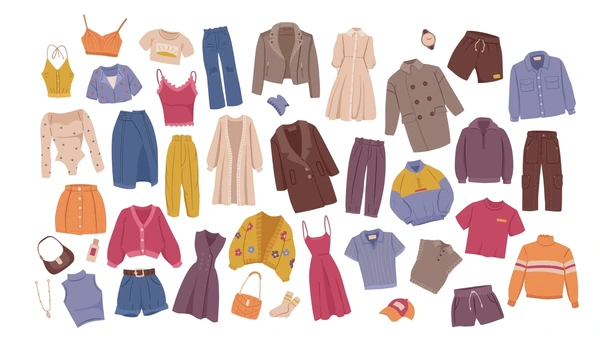
Clothes are one of the basic needs of human life. They protect our body from heat, cold, rain, and dust, while also helping us feel comfortable and confident. From everyday wear to special outfits, clothes play an important role in our daily routine. Different types of clothes are worn based on culture, weather, profession, and personal style. Over time, clothes have evolved from simple coverings to a way of expressing identity, tradition, and fashion in modern society.
Types of clothes
Clothes can be divided into different types of clothes based on how and when they are worn. Each type of clothes has its own purpose and importance in daily life.
Everyday clothes are worn for regular activities such as going to school, work, or staying at home. These clothes are usually comfortable and easy to wear. Examples include T-shirts, jeans, kurtas, tops, and casual dresses.
Formal clothes are worn on special or professional occasions. These clothes give a neat and polished look. Office wear, suits, formal shirts, sarees, and elegant dresses are common examples of formal clothes.
Traditional clothes represent the culture and heritage of a place. People wear these clothes during festivals, weddings, and cultural events. Sarees, lehengas, dhotis, salwar suits, and kurta-pyjamas are popular traditional clothes.
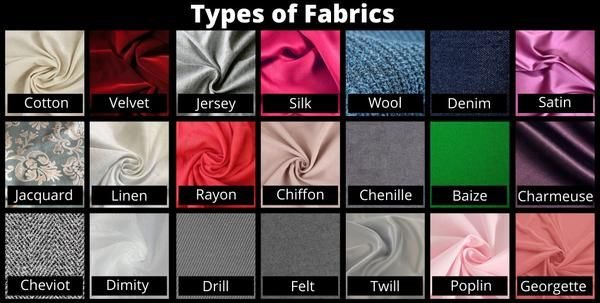
Seasonal clothes are chosen according to the weather. Light cotton clothes are worn in summer to stay cool, while warm woolen clothes like sweaters, jackets, and coats are worn in winter to protect from cold.
Sports clothes are designed for physical activities and exercise. These clothes are comfortable, stretchable, and absorb sweat easily. Tracksuits, gym wear, sports jerseys, and yoga clothes are examples.
Fashionable clothes are worn to follow trends and express personal style. These clothes change with time and are influenced by fashion designers and social media trends.
In conclusion, clothes are not just for covering the body. They provide comfort, protection, and help express personality and culture in everyday life.
Men's Types of clothes
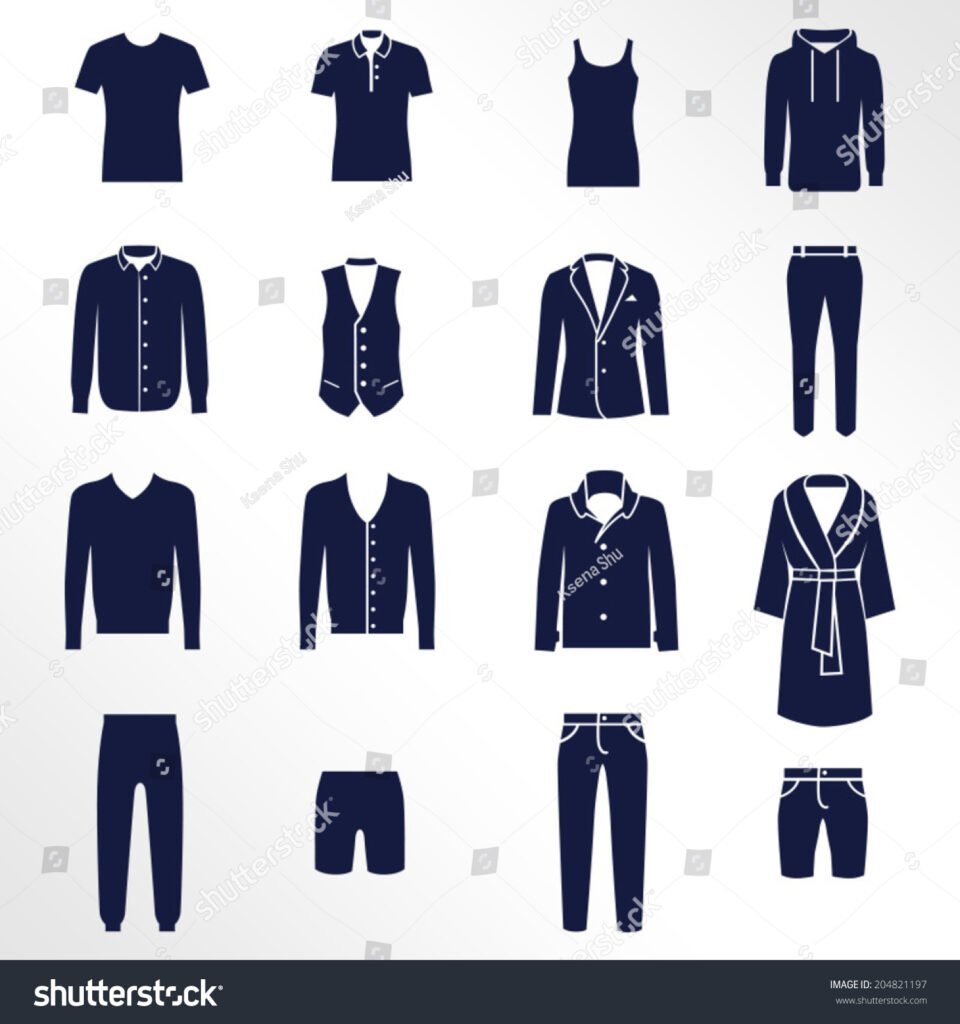
Men’s types of clothes are designed to provide comfort, style, and suitability for different occasions. From daily wear to formal events, men choose clothes based on lifestyle, weather, and personal taste.
Casual men’s clothes are worn in everyday life. These clothes focus on comfort and ease of movement. Common examples include T-shirts, jeans, shirts, shorts, and casual trousers. Casual clothes are perfect for outings, travel, and relaxing at home.
Formal men’s clothes are worn in professional and special settings. These clothes give a clean and smart appearance. Suits, blazers, formal shirts, trousers, and ties are widely used in offices, meetings, and ceremonies.
Traditional men’s clothes reflect culture and heritage. In many regions, men wear kurta-pyjama, dhoti, sherwani, or lungi during festivals and weddings. These clothes represent tradition and cultural values.
Woman's types of clothes
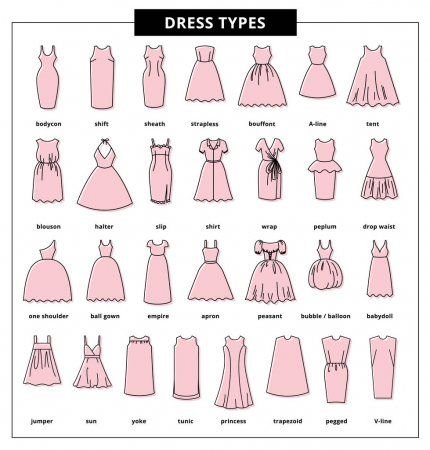
Women’s types of clothes are available in a wide variety of styles, designs, and fabrics, offering comfort, elegance, and self-expression. Women choose clothes based on occasion, culture, weather, and personal style.
Casual women’s clothes are worn in daily life for comfort and ease. These include tops, T-shirts, jeans, leggings, skirts, and simple dresses. Casual clothes are suitable for home, shopping, travel, and informal outings.
Formal women’s clothes are worn in offices and special events. These clothes give a graceful and professional look. Sarees, formal dresses, blazers, trousers, and office wear suits are commonly worn in workplaces and official functions.
Traditional women’s clothes represent cultural heritage and are often worn during festivals and weddings. Sarees, lehengas, salwar suits, anarkali dresses, and ethnic wear reflect tradition, beauty, and craftsmanship.
Seasonal women’s clothes are chosen according to the weather. Light cotton clothes are preferred in summer, while sweaters, shawls, jackets, and coats are worn in winter to stay warm and comfortable.
Sports and activewear are designed for exercise and physical activities. Yoga pants, tracksuits, gym wear, sports bras, and running clothes provide flexibility and comfort.
Fashionable women’s clothes follow current trends and styles. These include stylish dresses, designer outfits, trendy tops, and modern wear that allow women to express their personality and confidence.
Traditional Women’s Clothes Across Cultures
Traditional women’s clothes across cultures show the beauty, history, and identity of different societies around the world. These clothes are not just outfits; they represent customs, values, and stories passed down from generation to generation. Every culture has its own traditional style that reflects climate, lifestyle, and beliefs.
In India, women wear sarees, lehengas, and salwar suits, which are known for their rich fabrics, embroidery, and vibrant colors. These traditional outfits are commonly worn during festivals, weddings, and religious ceremonies. Similarly, in Japan, women wear the kimono, a graceful garment that symbolizes elegance and tradition and is often seen during cultural events.
In Western countries, traditional women’s clothes across cultures include dresses such as the dirndl in Germany and folk gowns worn during festivals in Europe. In Africa, women wear colorful wraps and dresses made from locally produced fabrics, often decorated with patterns that carry cultural meaning. Middle Eastern women wear traditional clothing like abayas and kaftans, which combine modesty with detailed designs.
Despite differences in style and fabric, traditional women’s clothes across cultures share a common purpose. They preserve cultural heritage and help women stay connected to their roots. Even in modern times, these clothes continue to hold importance and are proudly worn during special occasions.
In conclusion, traditional women’s clothes across cultures celebrate diversity and cultural pride. They remind us that fashion can be meaningful, timeless, and deeply connected to history.